

Die Sortierung durch Ernährungsratschläge, wenn man wirklich länger leben möchte, ist anstrengend. Jede Woche gibt es ein neues Superfood, ein neues Protokoll, ein neues Versprechen. Aber die Wissenschaft wird immer klarer. Langlebigkeitsdiäten konzentrieren sich konsequent auf ganze, minimal verarbeitete pflanzliche Lebensmittel, gesunde Fette, moderate Proteine und strenge Grenzen für rotes Fleisch, Zucker und raffinierte Kohlenhydrate. Das sind keine Trends. Es sind Muster, die in den langlebigsten Populationen der Welt, einschließlich hier in Europa, beobachtet wurden. Dieser Artikel beleuchtet die Gewohnheiten, die tatsächlich einen Unterschied machen.
Wichtige Erkenntnisse
| Punkt | Details |
|---|---|
| Pflanzlich ist am besten | Eine Ernährung, die sich auf vollwertige pflanzliche Lebensmittel konzentriert, ist stark mit einem längeren, gesünderen Leben in der EU und weltweit verbunden. |
| Verarbeitete Lebensmittel einschränken | Die Reduzierung von ultra-verarbeiteten Lebensmitteln, Zucker und rotem Fleisch senkt das Risiko chronischer Krankheiten und unterstützt ein gesundes Altern. |
| An Ihre Bedürfnisse anpassen | Passen Sie Ihre Langlebigkeitsdiät an Alter, Proteinbedarf und genetische Faktoren an, um optimale Ergebnisse zu erzielen. |
| Mäßigung statt Extreme | Moderate Mengen an Fisch und Milchprodukten, wie sie in den Blauen Zonen zu finden sind, wirken für die meisten Menschen besser als ein strenger Ausschluss. |
Pflanzenbasierte Ernährungsweisen priorisieren
Nachdem wir nun die evidenzbasierte Grundlage geschaffen haben, wollen wir uns genauer ansehen, was diese leistungsstarken Ernährungsmuster gemeinsam haben.
Das auffälligste Ergebnis aus jahrzehntelanger Langlebigkeitsforschung ist, wie konstant pflanzenreiche Ernährung an der Spitze steht. Blaue Zonen wie Sardinien und Ikaria, beide innerhalb der EU, sind lebende Beweise dafür. Ihre Bevölkerungen ernähren sich zu 95 % pflanzlich, basierend auf Hülsenfrüchten, Vollkornprodukten, saisonalem Gemüse und Olivenöl, mit bescheidenen Mengen an Fisch und Milchprodukten. Diese Muster sind direkt mit der Telomer-Erhaltung und drastisch niedrigeren Raten chronischer Krankheiten verbunden.
Wie sieht ein typischer Tag aus? Denken Sie an Linsensuppe mit knusprigem Vollkornbrot, einen großen griechischen Salat mit extra nativem Olivenöl beträufelt, eine Handvoll Walnüsse als Snack und gegrillte Sardinen zum Abendessen. Einfach, sättigend und zutiefst nahrhaft.
Pflanzenreiche Ernährung wirkt, weil sie systemische Entzündungen senkt, das langsam brennende Feuer hinter den meisten altersbedingten Krankheiten. Ballaststoffe ernähren Ihr Darmmikrobiom. Antioxidantien schützen Ihre Zellen. Phytonährstoffe regulieren die Genexpression auf Weisen, die das biologische Altern aktiv verlangsamen. Für Einblicke von Langlebigkeitsexperten, warum dies wichtig ist, ist die Evidenz überzeugend.
Wichtige Lebensmittel, um Ihren Teller zu gestalten:
- Hülsenfrüchte: Linsen, Kichererbsen, schwarze Bohnen (mindestens eine Portion täglich anstreben)
- Vollkornprodukte: Dinkel, Gerste, Hafer, Vollkornweizen
- Gemüse: Blattgemüse, Kreuzblütler, Wurzelgemüse
- Nüsse und Samen: Walnüsse, Mandeln, Leinsamen
- Olivenöl: Extra vergine als primäres Kochfett
Für einen praktischen Ausgangspunkt bietet der EU-Leitfaden für Langlebigkeit umsetzbare Schritte, die Sie sofort in Ihren Alltag integrieren können.
Profi-Tipp: Tauschen Sie Ihren Nachmittagssnack gegen eine kleine Handvoll Walnüsse und ein Stück Obst. Es dauert 30 Sekunden und liefert Omega-3-Fettsäuren, Ballaststoffe und Antioxidantien in einem Schritt.
Betonen Sie hochwertige Proteine und gesunde Fette
Ein pflanzenzentriertes Muster ist von entscheidender Bedeutung, aber die Proteine und Fette, die Sie wählen, sind genauso wichtig.
Protein ist nicht nur für die Muskeln wichtig. Es reguliert Hormone, repariert Gewebe und unterstützt die Immunfunktion. Der Schlüssel ist die kluge Wahl hochwertiger Quellen. Eine höhere Einhaltung pflanzenreicher Ernährungsmuster wie der mediterranen Ernährung und eines gesunden pflanzlichen Indexes ist mit einem um 10 bis 15 % geringeren Risiko für die Gesamtmortalität verbunden. Das ist keine kleine Zahl.

Für die meisten Erwachsenen sollten pflanzliche Proteine den Großteil der Zufuhr ausmachen. Hülsenfrüchte, Tofu, Tempeh, Nüsse und Samen liefern Aminosäuren sowie Ballaststoffe und Mikronährstoffe, die tierische Proteine einfach nicht bieten. Fisch, insbesondere fettreiche Sorten wie Lachs, Makrele und Sardinen, füllt die Lücke für vollständige Aminosäuren und liefert eine starke Dosis Omega-3-Fettsäuren. Für einen tieferen Einblick in Omega-3 für die Langlebigkeit reichen die Vorteile von Herzschutz bis hin zur kognitiven Resilienz.
Auf der Fettseite ist natives Olivenöl extra der Goldstandard in der mediterranen und Blauen-Zone-Ernährung. Es ist reich an Oleocanthal, einer natürlichen entzündungshemmenden Verbindung, und einfach ungesättigten Fetten, die die Herz-Kreislauf-Gesundheit aktiv unterstützen. Ersetzen Sie Butter und verarbeitete Pflanzenöle wann immer möglich durch Olivenöl.
Top-Protein- und Fettaustausch für die Langlebigkeit:
- Ersetzen Sie rotes Fleisch dreimal pro Woche durch Linsen oder Kichererbsen
- Verwenden Sie extra natives Olivenöl anstelle von Butter oder Margarine
- Fügen Sie zweimal wöchentlich fetten Fisch (Lachs, Sardinen, Makrele) hinzu
- Snacken Sie Mandeln oder Walnüsse anstelle von verarbeiteten Snacks
- Wählen Sie naturjoghurt gegenüber gesüßten Milchprodukten
Für weitere Informationen zum Aufbau einer ausgewogenen Ernährung, die Ihr Leben verlängert, ist die Forschung klar und umsetzbar.
Profi-Tipp: Träufeln Sie Olivenöl über alles, auch über gekochtes Gemüse. Es verbessert die Aufnahme fettlöslicher Vitamine wie A, D, E und K, wodurch Ihre Mahlzeiten für Sie effektiver werden.
Ultra-verarbeitete Lebensmittel, Zucker und rotes Fleisch einschränken
Genauso wichtig wie das, was Sie essen, ist das, was Sie auf dem Weg zu einem längeren Leben einschränken oder ganz meiden.
Ultra-verarbeitete Lebensmittel sind so konzipiert, dass sie die natürlichen Sättigungssignale Ihres Körpers außer Kraft setzen. Sie fördern chronische Entzündungen, stören die Vielfalt des Darmmikrobioms und lassen den Blutzucker in die Höhe schnellen, was das biologische Altern beschleunigt. Langlebigkeitsdiäten minimieren diese Kategorien konsequent: verarbeitetes Fleisch, zuckerhaltige Getränke, raffinierte Kohlenhydrate und verpackte Snacks.
Rotes und verarbeitetes Fleisch sind ein besonderes Anliegen. Die Beweise, die einen regelmäßigen Konsum mit einem höheren Sterblichkeitsrisiko in Verbindung bringen, sind robust und in großen Bevölkerungsstudien konsistent. Das bedeutet nicht, dass Sie niemals ein Steak essen können. Es bedeutet, es zur Ausnahme zu machen, nicht zur Grundlage.
Hier sind praktische Änderungen, die Sie diese Woche vornehmen können:
- Wurstwaren → Linsen- oder Kichererbsensalat mit Kräutern
- Limonade oder Saft → Sprudelwasser mit Zitrone oder Gurke
- Weißbrot → Vollkorn-Sauerteigbrot oder Roggenbrot
- Verarbeitete Snacks → Rohe Nüsse und frisches Obst
- Zuckerhaltige Frühstücksflocken → Haferflocken mit Beeren und Samen
Für wissenschaftlich fundierte Empfehlungen zur Anti-Aging-Ernährung gehören diese Änderungen zu den wirkungsvollsten, die Sie vornehmen können.
| Einzuschränkendes Lebensmittel | Langlebigkeits-Ersatz | Hauptnutzen |
|---|---|---|
| Verarbeitetes Fleisch | Hülsenfrüchte | Geringere Entzündung |
| Zuckerhaltige Getränke | Infusionswasser | Stabiler Blutzucker |
| Raffinierte Kohlenhydrate | Vollkornprodukte | Bessere Darmgesundheit |
| Verpackte Snacks | Nüsse und Samen | Herzschützende Fette |
Ernährung nach Alter, Bedürfnissen und Genetik personalisieren
Aber sind diese Gewohnheiten für jeden gleichermaßen wirksam? Neue Forschungsergebnisse deuten darauf hin, dass ein maßgeschneiderter Ansatz die Ergebnisse maximiert.
Die groben Züge der Langlebigkeitsernährung gelten weithin, aber die Details ändern sich mit Alter, Genetik und Gesundheitszustand. Eines der deutlichsten Beispiele: Ältere Erwachsene über 65 benötigen etwas mehr Protein, etwa 1,0 bis 1,2 Gramm pro Kilogramm Körpergewicht täglich, um Muskelmasse zu erhalten und Sarkopenie (altersbedingten Muskelverlust) vorzubeugen. Leucinreiche Quellen wie Hülsenfrüchte, Fisch und Milchprodukte werden hier besonders wichtig.
Wenn Sie eine strikt pflanzliche Ernährung befolgen, ist die Überwachung Ihres B12- und Eisenstatus nicht optional. Sie ist unerlässlich. Mangel an diesen Nährstoffen kann im Laufe der Zeit leise Energie, kognitive Funktionen und Immunresistenz untergraben.
Schritte zur Personalisierung Ihrer Langlebigkeitsdiät:
- Kennen Sie Ihre Basislinie: Lassen Sie ein Blutbild machen, das B12, Eisen, Vitamin D und den Omega-3-Index abdeckt
- Protein nach Alter anpassen: Erhöhen Sie pflanzliches und Fischprotein nach 65
- Ihre Reaktion verfolgen: Überwachen Sie Energie, Schlaf und Körperzusammensetzung über 8 bis 12 Wochen
- Genetische Erkenntnisse nutzen: DNA-basierte Tools können offenbaren, wie Ihr Körper Fette, Kohlenhydrate und spezifische Nährstoffe verstoffwechselt
- Strategisch ergänzen: Füllen Sie Lücken, die durch Tests identifiziert wurden, nicht durch Vermutungen
Tools wie Ressourcen zur Vitaminoptimierung und Anleitungen zur Vitaminspiegelverfolgung helfen Ihnen, von allgemeinen Ratschlägen zu einer Diät zu wechseln, die zu Ihrer Biologie passt.
| Faktor | Allgemeiner Erwachsener | Über 65 |
|---|---|---|
| Proteinziel | 0,8 g/kg/Tag | 1,0 bis 1,2 g/kg/Tag |
| B12-Überwachung | Empfohlen für Veganer | Unerlässlich für alle |
| Pflanzliche Vielfalt | Hohe Priorität | Hohe Priorität |
| Ergänzung | Bei Bedarf | Oft notwendig |
Langlebigkeitsdiäten neu denken: Es gibt keine Einheitslösung
Hier ist etwas, das die meisten Ernährungsartikel Ihnen nicht direkt sagen werden: Die Suche nach der einen perfekten Langlebigkeitsdiät ist die falsche Frage.
Strenge vegane Diäten können das Sterblichkeitsrisiko senken, bergen aber auch echte Mangelrisiken. Diäten mit hohem Fleischanteil beschleunigen das Altern. Der goldene Mittelweg, sichtbar in jeder Blauen Zone und mediterranen Bevölkerung, ist moderat und flexibel. Viel pflanzliche Nahrung, etwas Fisch, minimale verarbeitete Lebensmittel und eine echte Freude am Essen.
Personalisierung ist kein Luxus. Sie ist der Mechanismus. Ihr Alter, Ihr Darmmikrobiom, Ihre genetischen Varianten im Fettstoffwechsel, Ihre kulturellen Essgewohnheiten – all dies prägt, wie jedes Ernährungsmuster in Ihrem Körper wirkt. Der Leitfaden für gesundes Altern, dem wir bei LifeUnlocked folgen, spiegelt diese Realität wider. Wir glauben, die beste Langlebigkeitsdiät ist die, die Sie mit Freude aufrechterhalten, mit zunehmendem Alter anpassen und in Ihrer eigenen Biologie verankern können.
Machen Sie den nächsten Schritt in Richtung Ihrer Langlebigkeitsziele
Ausgestattet mit Experten-gestützten Gewohnheiten können Sie mit Unterstützung, die auf Ihren persönlichen Langlebigkeitsweg zugeschnitten ist, von der Theorie zur Tat schreiten.
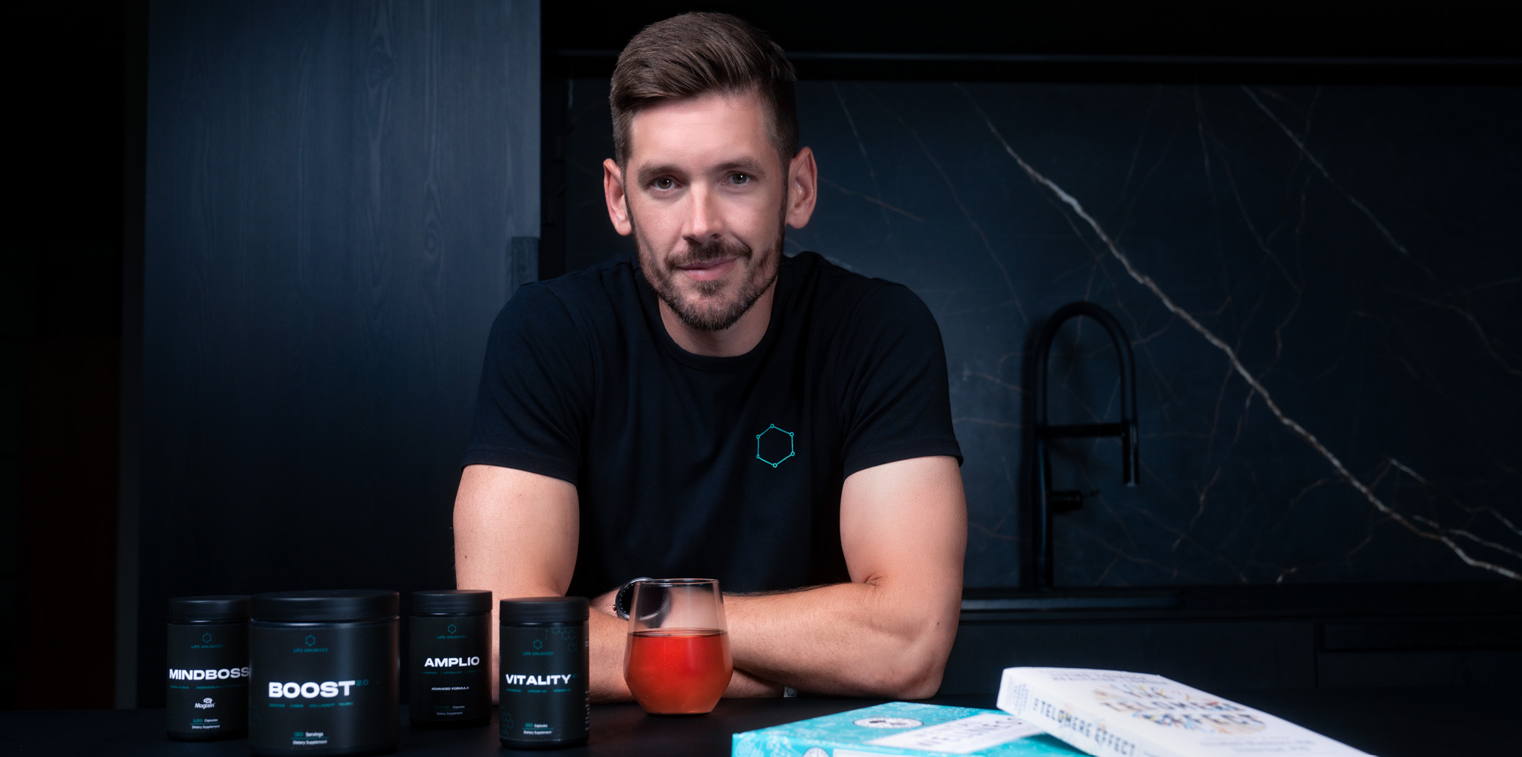
Bei LifeUnlocked haben wir Tools entwickelt, um dies praktikabel zu machen. Unsere Langlebigkeits-Kits kombinieren wissenschaftlich abgestimmte Nahrungsergänzungsmittel, um Ihre Ernährungsbasis zu unterstützen. Das BOOST 2.0 Ergänzungsmittel liefert Kreatin, Taurin, Lysin und Kollagen, um Lücken zu schließen, die selbst eine gute Ernährung hinterlassen kann. Und unser Biologisches Alter Selbsttest misst Ihre Telomerlänge, damit Sie verfolgen können, ob Ihre Gewohnheiten Ihre biologische Uhr tatsächlich verlangsamen. Wissenschaft plus Handlung, personalisiert für Sie.
Häufig gestellte Fragen
Was ist die wichtigste Langlebigkeits-Ernährungsgewohnheit?
Die Priorisierung eines überwiegend pflanzlichen Musters, reich an Gemüse, Hülsenfrüchten, Vollkornprodukten und gesunden Fetten, ist der Grundstein für ein längeres Leben. Bevölkerungsgruppen in den Blauen Zonen, die sich zu 95 % pflanzlich ernähren, zeigen konstant niedrigere Raten chronischer Krankheiten und längere Telomere.
Wie unterscheiden sich Langlebigkeitsdiäten für ältere Erwachsene?
Menschen über 65 sollten ihre Proteinzufuhr leicht erhöhen und eine ausreichende Versorgung mit B12 und Eisen sicherstellen, insbesondere wenn sie eine pflanzliche Ernährung befolgen. Ältere Erwachsene benötigen 1,0 bis 1,2 Gramm Protein pro Kilogramm Körpergewicht täglich, um die Muskelmasse zu schützen.
Verlängert die mediterrane Ernährung wirklich die Lebensspanne?
Ja, eine hohe Einhaltung der mediterranen Ernährung wurde mit einem geringeren Sterblichkeitsrisiko und bis zu 4 zusätzlichen Lebensjahren im Alter von 45 Jahren in Verbindung gebracht. Die Einhaltung der mediterranen Ernährung zeigt in großen Bevölkerungsstudien ein relatives Sterblichkeitsrisiko von 0,77.
Welche Lebensmittel sollte ich für Langlebigkeit meiden?
Begrenzen Sie ultra-verarbeitete Lebensmittel, zuckerhaltige Produkte sowie rotes oder verarbeitetes Fleisch, da diese stark mit einem erhöhten Risiko für chronische Krankheiten und Mortalität verbunden sind. Verarbeitetes Fleisch und raffinierte Kohlenhydrate erscheinen konsequent als Top-Ernährungsrisikofaktoren für eine kürzere Lebensspanne.
Kann Gentests bei der Personalisierung meiner Langlebigkeitsdiät helfen?
Genetische Selbsttests und Nährstoff-Tracking können Ihnen helfen, Ihre Ernährung für optimale Gesundheit und gesundes Altern zu verfeinern. Genetische und Lifestyle-Tools zeigen auf, wie Ihr Körper spezifische Nährstoffe verarbeitet, wodurch Ihre Ernährungsentscheidungen wesentlich präziser werden.
Empfohlen
- Umsetzbare Schritte zur Förderung der Langlebigkeit: Ganzheitlicher EU-Leitfaden – LifeUnlocked
- Omega-3-Ergänzungsmittel: 5 Jahre längere Lebenserwartung – LifeUnlocked
- Langlebigkeit freischalten 2024: Praktische Tipps und Routinen für ein längeres, gesünderes Leben – LifeUnlocked
- Die Kraft einer ausgewogenen Ernährung entfesseln: Ein Jahrzehnt verlängerten Lebens – LifeUnlocked
Aktie:
Praktische Schritte zur Förderung der Langlebigkeit: Ganzheitlicher EU-Leitfaden
Wie Ernährung das Altern verändert: 8-10 zusätzliche gesunde Jahre