

Selbst gesundheitsbewusste Europäer, die sich gut ernähren und aktiv bleiben, leiden häufig unter Vitamin-D-Mangel, da von Oktober bis März die Sonneneinstrahlung begrenzt ist. Dies ist keine geringfügige Unannehmlichkeit. Vitamin D wirkt weniger wie ein einfaches Vitamin und mehr wie ein hormoneller Hauptschalter, der alles beeinflusst, von Ihrem Immunsystem bis hin dazu, wie schnell Sie biologisch altern. Dieser Leitfaden beleuchtet die wissenschaftlichen Hintergründe, identifiziert die Risikogruppen und gibt Ihnen einen klaren, umsetzbaren Plan für die Nahrungsergänzung, um Ihr Wohlbefinden zu schützen und ein längeres, gesünderes Leben zu unterstützen.
Wichtigste Erkenntnisse
| Punkt | Details |
|---|---|
| Weit verbreiteter Mangel | Die meisten Europäer erhalten trotz eines gesunden Lebensstils nicht genug Vitamin D. |
| Vielfältige gesundheitliche Vorteile | Vitamin D unterstützt die Knochengesundheit, das Immunsystem und kann das Sterberisiko senken. |
| Nahrungsergänzung ist wichtig | Eine sinnvolle tägliche Nahrungsergänzung wird für Risikogruppen und gesundheitsbewusste Erwachsene in der EU dringend empfohlen. |
| Personalisieren Sie Ihren Ansatz | Wählen Sie die richtige Dosierung und kombinieren Sie sie mit anderen Nährstoffen für beste Ergebnisse. |
Die wesentlichen Aufgaben von Vitamin D in Ihrem Körper
Vitamin D ist einer der wenigen Nährstoffe, der auch als Hormon fungiert. Einmal aktiviert, sendet es Signale an Rezeptoren, die in fast jedem Gewebe Ihres Körpers zu finden sind, von Ihrem Herzmuskel bis zu Ihren Gehirnzellen. Betrachten Sie es als einen Hauptschalter für Dutzende von biologischen Prozessen, die im Hintergrund ablaufen.
Seine bekannteste Rolle ist die Knochengesundheit, aber das ist erst der Anfang. Vitamin D fördert die Kalziumaufnahme, hält den Serumkalzium- und Phosphatspiegel aufrecht, reduziert systemische Entzündungen und moduliert, wie Ihr Immunsystem auf Bedrohungen reagiert. Ohne ausreichend Vitamin D verschlechtern sich diese Systeme still und leise.
Dies wird durch ausreichend Vitamin D unterstützt:
- Kalziumabsorption im Darm, wodurch die Knochen dicht und stark bleiben
- Immunregulation, die Ihrem Körper hilft, echte Bedrohungen von Fehlalarmen zu unterscheiden
- Entzündungskontrolle, die bei fast jeder chronischen Krankheit eine zentrale Rolle spielt
- Muskelfunktion, wodurch das Sturzrisiko, insbesondere bei älteren Erwachsenen, verringert wird
- Stimmung und kognitive Leistung, da Rezeptoren im Gehirngewebe aktiv sind
Ein Mangel verursacht echten Schaden. Bei Kindern führt ein schwerer Mangel zu Rachitis. Bei Erwachsenen führt er zu Osteomalazie (weiche, schmerzhafte Knochen) und beschleunigt Osteoporose. Das Verständnis der Synergie von Vitamin D3 und K2 fügt eine weitere Ebene hinzu: Diese beiden Nährstoffe arbeiten zusammen, um Kalzium in die Knochen statt in die Arterien zu leiten. Die Rollen stapeln sich schnell.

Warum Mangelerscheinungen in der EU häufig sind und wer am stärksten gefährdet ist
Das Verständnis der Bedeutung von Vitamin D wirft eine entscheidende Frage auf: Warum haben so viele Menschen, selbst gesundheitsbewusste Europäer, immer noch einen Mangel?
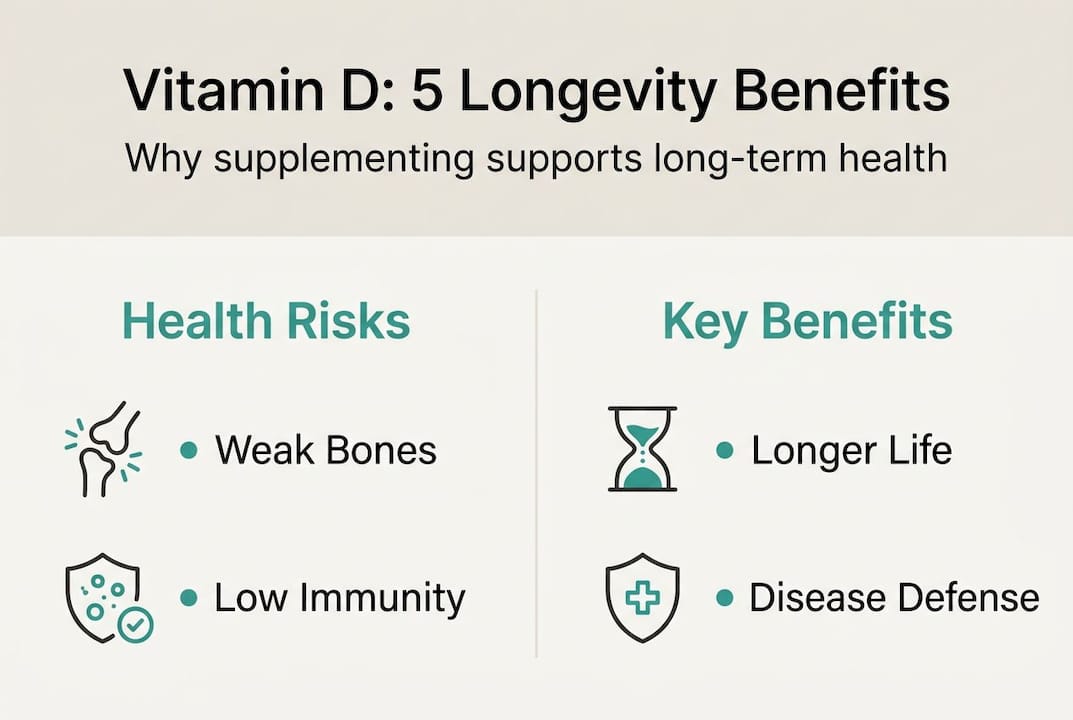
Die Antwort beginnt mit der Geografie. Oberhalb von etwa 40 Grad nördlicher Breite, die den größten Teil der EU umfasst, sind die UVB-Strahlen der Sonne zwischen Oktober und März zu schwach, als dass Ihre Haut eine sinnvolle Menge an Vitamin D produzieren könnte. Sie können jeden Tag draußen sein und in diesen Monaten dennoch einen Mangel entwickeln. Die Nahrung füllt fast keine Lücke. Fetter Fisch, Eigelb und angereicherte Produkte tragen bescheiden dazu bei, wobei die durchschnittliche tägliche Aufnahme in der EU bei etwa 3,8 µg liegt, während über 94 % der Erwachsenen in der EU unter der ausreichenden Aufnahme bleiben.
Einige Gruppen sind noch stärker betroffen:
- Ältere Erwachsene (die Haut produziert mit zunehmendem Alter weniger Vitamin D)
- Menschen mit dunklerer Hautfarbe (mehr Melanin bedeutet weniger UVB-Umwandlung)
- Büroangestellte und Personen mit sitzender Lebensweise
- Personen, die aus kulturellen oder religiösen Gründen ihre Haut bedecken
- Personen mit Adipositas (Vitamin D wird im Fettgewebe gespeichert)
- Personen mit Malabsorptionsstörungen des Darms wie Morbus Crohn oder Zöliakie
„Weltweit leiden über 1 Milliarde Menschen an einem Vitamin-D-Mangel, und in der EU erreicht die überwiegende Mehrheit der Erwachsenen nicht einmal die grundlegenden empfohlenen Zufuhrempfehlungen.“
Die Kenntnis Ihrer persönlichen Risikofaktoren für Vitamin-D-Mangel ist der erste Schritt zur Behebung des Problems, bevor Symptome auftreten.
Die Evidenz: Vitamin D für Langlebigkeit, Immunität und Krankheitsrisiko
Nachdem wir nun dargelegt haben, wer am stärksten gefährdet ist, stellt sich die Frage, was die Wissenschaft tatsächlich darüber aussagt, ob die Einnahme von Vitamin D die Gesundheitsergebnisse wirklich verbessert?
Die Daten sind in einigen Bereichen frappierend. Eine Supplementierung reduziert die Gesamtmortalität und senkt das Risiko für bestimmte Krankheiten, wobei die Effekte bei Personen mit schwerem Mangel am stärksten zu sein scheinen. Krebssterblichkeit, Atemwegserkrankungen und Autoimmunerkrankungen zeigen alle bedeutsame Zusammenhänge mit dem Vitamin-D-Status.
| Gesundheitliches Ergebnis | Stärke der Evidenz | Anmerkungen |
|---|---|---|
| Gesamtmortalität | Stark | Besonders in mangelernährten Bevölkerungsgruppen |
| Atemwegsinfektionen | Mäßig bis stark | Tägliche Dosierung ist besser als Bolusgabe |
| Prädiabetes-Progression | Mäßig | Vielversprechend für die Insulinsensitivität |
| Autoimmunerkrankungsrisiko | Mäßig | Neue, aber konsistente Daten |
| Herz-Kreislauf-Erkrankungen | Gemischt | Vorteile bei ausreichend versorgten Personen weniger klar |
Vitamin D hat laut aktuellen endokrinologischen Studien auch das Potenzial, die Krankheitsprogression bei Diabetes, Atemwegsinfektionen und Autoimmunerkrankungen zu reduzieren. Beobachtungsstudien zeigen durchweg starke Zusammenhänge; randomisierte kontrollierte Studien sind gemischter, hauptsächlich weil viele Studien Teilnehmer einschließen, die von vornherein keinen Mangel hatten.
Die Quintessenz ist, nicht auf eine Diagnose zu warten. Die Vorteile konzentrieren sich am stärksten auf diejenigen, die tatsächlich einen niedrigen Spiegel haben. Um Ihre Vitaminspiegel proaktiv zu optimieren, benötigen Sie sowohl eine intelligente Supplementierung als auch intelligente Gewohnheiten. Die Kombination von Vitamin D mit Omega-3 und Langlebigkeits-Ernährungsstrategien verstärkt die Wirkung.
Profi-Tipp: Behandeln Sie Vitamin D nicht als einzige Lösung. Kombinieren Sie es mit einer nährstoffreichen Ernährung, regelmäßiger Bewegung und hochwertigem Schlaf, und das Ganze wird größer als die Summe seiner Teile.
Intelligente Vitamin-D-Supplementierung: Dosierung, Strategien und Sicherheit
Wenn Sie Nahrungsergänzungsmittel in Betracht ziehen, ist es wichtig zu wissen, wie Sie Vitamin D sicher und effektiv einsetzen.
Fangen Sie mit den Grundlagen an. Der NHS empfiehlt für Erwachsene im Herbst und Winter täglich 400 IE, wobei für Risikogruppen höhere Mengen empfohlen werden. Für die meisten Erwachsenen, die auf Langlebigkeit abzielen, ist eine tägliche Dosis von 1000 bis 2000 IE Cholecalciferol (D3) ein gut unterstütztes Ziel. Wählen Sie immer D3 statt D2; es ist bioverfügbarer und erhöht den Blutspiegel effektiver.
Hier ist ein schrittweiser Ansatz, um es richtig zu machen:
- Bewerten Sie Ihr Risiko anhand der oben genannten Faktoren
- Beginnen Sie mit täglich 1000 IE D3 zur allgemeinen Erhaltung in Monaten mit wenig Sonne
- Testen Sie Ihren 25(OH)D-Blutspiegel, um Ihre Dosis zu personalisieren
- Passen Sie auf 2000 IE an, wenn die Werte nach 8 bis 12 Wochen niedrig bleiben
- Jährlich erneut testen und saisonal anpassen
Die tägliche Dosierung wird gegenüber großen intermittierenden Bolusdosen für die Knochengesundheit und Sturzprävention, insbesondere bei älteren Erwachsenen, bevorzugt. Große einmalige Megadosen können paradoxerweise das Sturzrisiko erhöhen.
Bei der Wahl täglicher D3-Ergänzungen sollten Sie auf Formulierungen achten, die Magnesium enthalten, da dieses für die Vitamin-D-Aktivierung im Körper benötigt wird. Magnesiummangel blockiert stillschweigend den gesamten Prozess. Und für ein vollständiges langlebigkeitsorientiertes Nahrungsergänzungsprotokoll kombinieren Sie D3 mit K2, um sicherzustellen, dass Kalzium dorthin gelangt, wo es hingehört.
Profi-Tipp: Nehmen Sie Vitamin D zu Ihrer größten Mahlzeit des Tages ein. Es ist fettlöslich, daher steigert Nahrungsfett die Absorption erheblich.
Unsere Perspektive: Der unterschätzte Hebel für Langlebigkeit und was die meisten übersehen
Hier ist unsere ehrliche Einschätzung: Die meisten Menschen behandeln Vitamin D wie eine reaktive Lösung. Sie warten, bis ein Bluttest ein Problem aufdeckt, und versuchen dann, es zu korrigieren. Dieser Ansatz verfehlt den eigentlichen Punkt völlig.
Das überzeugendste Argument für Vitamin D ist nicht die Krisenbewältigung. Es ist ein langfristiger, kostengünstiger Schutz. Eine empirische Supplementierung ist kostengünstiger als routinemäßige Screenings in Risikopopulationen, und Beobachtungsdaten unterstützen durchweg die Vorteile für die Langlebigkeit. Die Zurückhaltung der Richtlinien spiegelt die Einschränkungen bestimmter Studiendesigns wider, nicht das Fehlen eines realen Signals.
Der eine Hebel, den fast jeder ignoriert: proaktive Überwachung. Die Verfolgung der Vitamin-D-Spiegel zweimal im Jahr und die Anpassung auf der Grundlage tatsächlicher Daten, nicht von Annahmen, ist der Ort, an dem der wahre Vorteil liegt. Raten Sie nicht. Messen Sie.
Steigern Sie Ihr Wohlbefinden mit intelligenter Nahrungsergänzung
Sie verfügen nun über das Wissen. Der nächste Schritt ist, es mit Produkten umzusetzen, die Ihren Ansprüchen genügen.
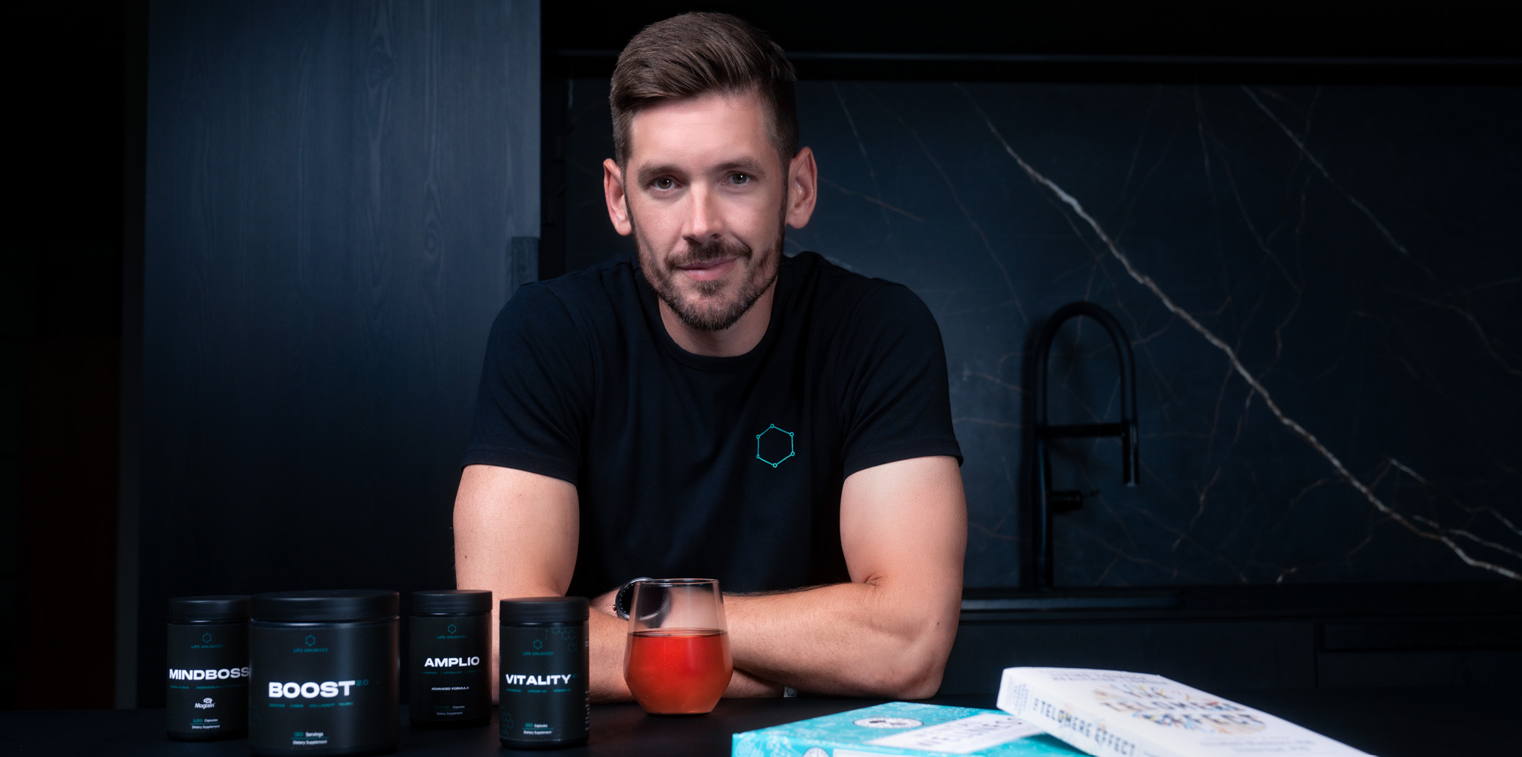
Unsere Vitamin-D-Nahrungsergänzungsmittel sind auf Bioverfügbarkeit abgestimmt und mit synergistischen Nährstoffen kombiniert, damit nichts verschwendet wird. Für einen umfassenderen Ansatz erkunden Sie unsere Langlebigkeits-Kits, die Ihre Grundbedürfnisse präzise abdecken. Oder vertiefen Sie sich mit der BOOST 2.0 Langlebigkeitsmischung, die für diejenigen entwickelt wurde, die ihre Gesundheitsspanne ernst nehmen. Fügen Sie einen Heim-Bluttest hinzu, um Ihre Nahrungsergänzung wirklich wissenschaftlich zu gestalten.
Häufig gestellte Fragen
Kann man in Europa allein durch Sonnenlicht ausreichend Vitamin D bekommen?
Nein. Im Herbst und Winter sind die UVB-Strahlen in den meisten Teilen der EU zu schwach, als dass Ihre Haut ausreichend Vitamin D synthetisieren könnte, unabhängig davon, wie viel Zeit Sie im Freien verbringen.
Woher weiß ich, ob ich Vitamin D ergänzen sollte?
Wenn Sie nur wenig Sonnenlicht ausgesetzt sind, eine dunklere Haut haben, über 65 Jahre alt sind oder sich pflanzlich ernähren, wird eine Nahrungsergänzung dringend empfohlen, insbesondere von Oktober bis März. Ein 25(OH)D-Bluttest beseitigt alle Unsicherheiten.
Was ist die optimale Vitamin-D-Dosierung für Gesundheit und Langlebigkeit?
Die meisten Erwachsenen profitieren von 400 bis 1000 IE täglich, während Hochrisikogruppen bis zu 2000 IE benötigen können. Eine tägliche Dosis von 800 bis 1000 IE mit Kalzium reduziert Stürze und Frakturen bei älteren Menschen mit Mangelerscheinungen.
Gibt es Risiken bei der Einnahme von zu viel Vitamin D?
Toxizität ist bei einer Aufnahme unter 4000 IE pro Tag selten, aber langfristig hohe Dosen sollten immer durch einen Bluttest und ärztlichen Rat begleitet werden, um sicher im optimalen Bereich zu bleiben.
Empfohlen
- Omega-3-Ergänzungsmittel: 5 Jahre längere Lebensdauer – LifeUnlocked
- Optimieren Sie Ihre Vitaminspiegel für Langlebigkeit: 40 Prozent haben einen Mangel – LifeUnlocked
- Schritt-für-Schritt-Leitfaden für Nahrungsergänzungsmittel: Langlebigkeit in 5 Schritten – LifeUnlocked
- Vitamin D3 und K2: Vorteile und wie sie zusammenwirken – LifeUnlocked
Aktie:
Wie Ernährung das Altern verändert: 8-10 zusätzliche gesunde Jahre
Lebensstiländerungen für Langlebigkeit: Wissenschaftlich fundierte Schritte