
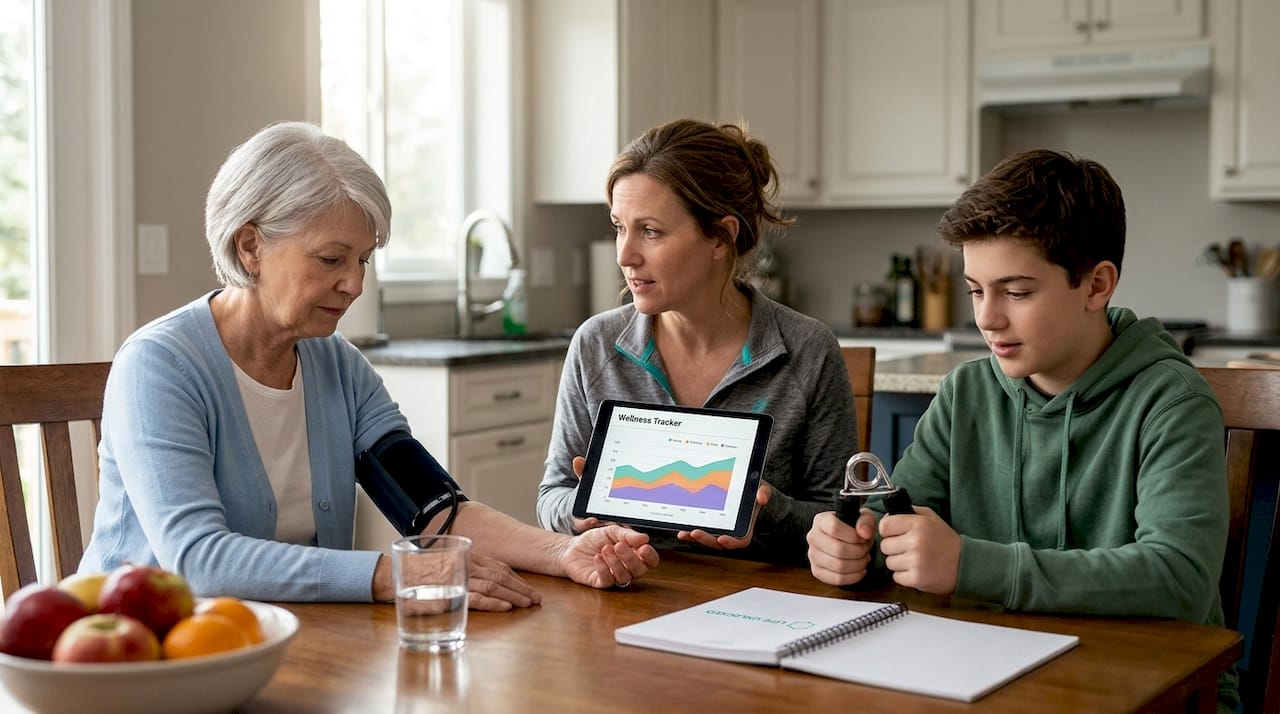
Der Bereich der Langlebigkeit ist von widersprüchlichen Behauptungen überflutet, und es ist wirklich schwer herauszufinden, welche Biomarker tatsächlich ein längeres, gesünderes Leben vorhersagen. Marketing-Hype treibt exotische Tests voran, während grundlegende, validierte Messungen übersehen werden. Ein kürzlich veröffentlichter Expertenkonsens hat dies geändert und das Feld auf eine kurze Liste von Markern mit echter Vorhersagekraft eingeengt. Dieser Leitfaden hilft Ihnen, den Lärm zu durchdringen, um Ihnen zu zeigen, was Sie messen müssen, wie Sie in der gesamten EU Zugang zu Tests erhalten und wie Sie Ihre Ergebnisse in eine personalisierte Langlebigkeitsstrategie umwandeln, die tatsächlich etwas bewirkt.
Wichtige Erkenntnisse
| Punkt | Details |
|---|---|
| Expertenausgewählte Biomarker | Ein fokussierter Satz molekularer, physiologischer und funktioneller Marker gibt die genaueste Momentaufnahme Ihres Alterungsprozesses. |
| Die Vorhersagekraft ist wichtig | Epigenetische Uhren wie DunedinPACE prognostizieren die Langlebigkeit am besten, während funktionelle Tests die täglichen Gesundheitsentscheidungen unterstützen. |
| Tests kombinieren | Die Kombination von Blut-, Funktions- und Heimtests maximiert die Erkenntnisse und die Praktikabilität Ihres Langlebigkeitsplans. |
| Handeln ist besser als Perfektion | Konstantes Verfolgen praktischer Marker und Lebensstilverbesserungen trägt mehr zur Gesundheitsspanne bei als die Jagd nach dem neuesten, fortschrittlichsten Test. |
Was zählt: Wie Experten die wertvollsten Langlebigkeits-Biomarker definieren
Nachdem das überfüllte Feld geklärt ist, wollen wir nun aufschlüsseln, was die Top-Biomarker wirklich auszeichnet.
Nicht jede Messung in einem Laborbericht qualifiziert sich als Langlebigkeits-Biomarker. Experten filtern Kandidaten durch eine anspruchsvolle Linse: Vorhersagekraft für Mortalität und Gesundheitsspanne, Zugänglichkeit in realen klinischen oder häuslichen Umgebungen und Reproduzierbarkeit über verschiedene Populationen hinweg. Die Biomarker, die diesen Filter überleben, lassen sich in vier breite Kategorien einteilen.
- Molekular und epigenetisch: Epigenetische Uhren, die die biologische Alterung auf DNA-Ebene messen, wie z. B. DunedinPACE
- Physiologisch: Hormonelle und wachstumsbezogene Marker wie IGF-1 und GDF-15
- Entzündlich: Systemische Entzündungsindikatoren einschließlich hs-CRP und IL-6
- Funktionell: Körperliche Leistungsmaße wie Griffstärke, Gehgeschwindigkeit, Stehgleichgewicht und der Timed Up and Go (TUG)-Test
14 wichtige Langlebigkeits-Biomarker haben einen Expertenkonsens in diesen Kategorien erreicht, darunter physiologische, entzündliche, funktionelle, kognitive Gesundheits-, Blutdruck- und epigenetische Uhrenmessungen. Dieser Konsens trennt das Signal vom Rauschen.
„Die Biomarker-Auswahl für die Langlebigkeitsforschung muss prädiktive Validität, biologische Plausibilität und praktische Umsetzbarkeit in der realen Welt in Einklang bringen. Ein wissenschaftlich überzeugender, aber routinemäßig unmöglich zu messender Marker hat einen begrenzten klinischen Wert.“
Diese Kategorien funktionieren nicht isoliert. Experteneinblicke in die Langlebigkeit zeigen durchweg, dass die Kombination von funktioneller Leistung mit molekularen Daten ein weitaus umfassenderes Bild liefert als jedes für sich allein. Diese integrierte Logik ist es, die ganzheitliche Langlebigkeitslösungen antreibt, auf denen Sie Ihren Plan aufbauen sollten. Die Validierungsforschung für klinische Biomarker untermauert diesen Punkt auf Populationsebene.
Die Liste: 7 essenzielle Langlebigkeits-Biomarker, die Sie messen können
Nachdem Sie nun wissen, was einen guten Biomarker ausmacht, wollen wir die umsetzbarsten Optionen hervorheben, die Sie tatsächlich messen können.
Priorisieren Sie diese sieben Marker. Sie sind evidenzbasiert, weitgehend über EU-Standardlabore oder Heim-Kits zugänglich und reagieren direkt auf Änderungen des Lebensstils.
- Handgriffstärke: Ein Indikator für die allgemeine muskuloskelettale Vitalität und ein starker Prädiktor für das Behinderungsrisiko. Messung mit einem Handdynamometer in einer Klinik oder mit einem Verbrauchergerät zu Hause.
- Gehgeschwindigkeit: Ein einfacher 4-Meter-Gehtest zeigt, wie gut Ihr neuromuskuläres System Koordination und Kraft integriert. Langsamere Geschwindigkeiten sagen Stürze, Krankenhausaufenthalte und eine frühere Sterblichkeit voraus.
- Stehgleichgewicht: Die Einbeinstandzeit nimmt mit zunehmendem Alter stark ab und sagt das Sturzrisiko voraus. Leicht mit einer Stoppuhr selbst zu testen.
- hs-CRP (hochempfindliches C-reaktives Protein): Der Goldstandard für Entzündungsmarker. Erhöhte Werte signalisieren chronische niedriggradige Entzündungen, ein Haupttreiber des Alterns. Über jedes Standardblutbild erhältlich.
- IL-6 (Interleukin-6): Ein wichtiges entzündliches Zytokin, das mit dem Alter ansteigt und eine Immunfehlregulation vorhersagt. Wird zusammen mit hs-CRP für ein umfassenderes Entzündungsbild angeordnet.
- IGF-1 (Insulin-ähnlicher Wachstumsfaktor 1): Spiegelt die Aktivität des Wachstumshormons wider und ist mit der Zellreparatur und dem Muskelerhalt verbunden. Standardlabortest in den meisten EU-Ländern.
- DunedinPACE epigenetische Uhr: Misst die Geschwindigkeit, mit der Ihre biologische Uhr im Verhältnis zu Ihrem chronologischen Alter tickt. Erfordert ein speichelbasiertes kommerzielles Kit, und biologische Alterstests sind jetzt ohne klinische Überweisung zugänglich.
Zugängliche Tests über Kategorien hinweg umfassen blutbasierte Panels, funktionelle Bewertungen zu Hause oder in der Klinik und epigenetische Kits, die jeweils ein eigenes Fenster in Ihre Alterungsentwicklung bieten. Überprüfen Sie die vollständige Biomarkerliste, wenn Sie über diese sieben hinausgehen möchten.
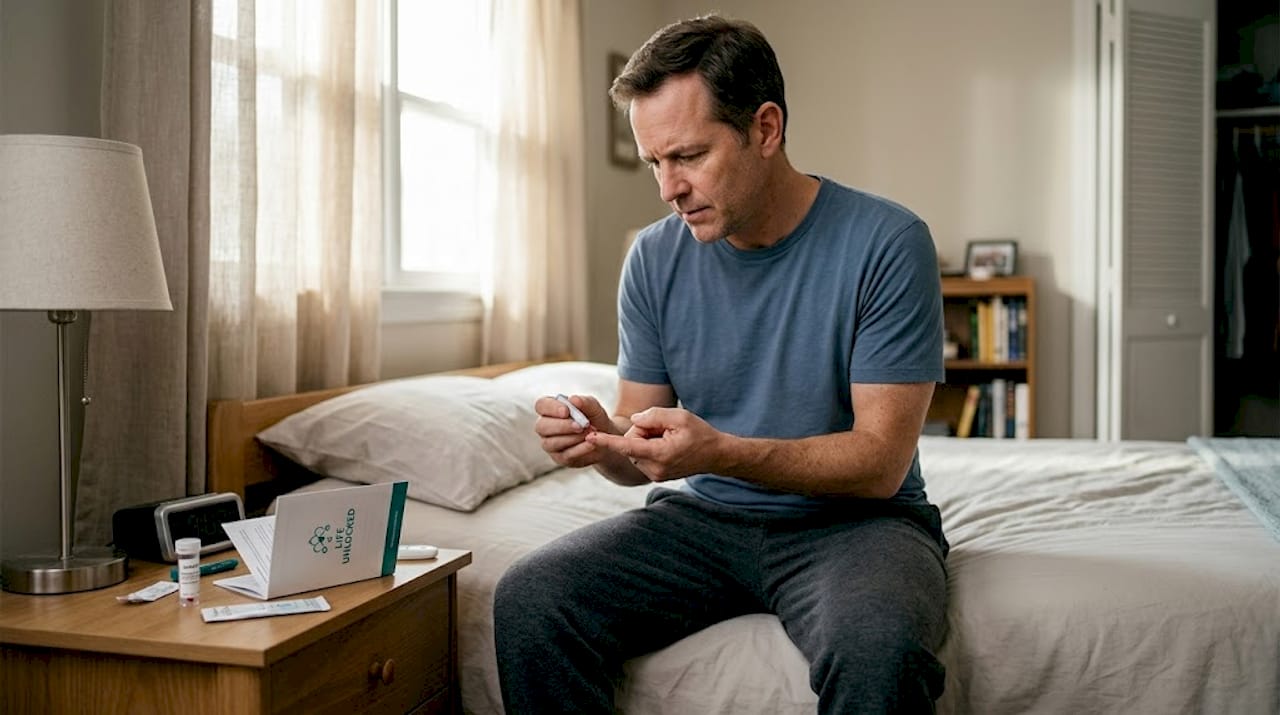
Profi-Tipp: Messen Sie jeden Marker, bevor Sie eine neue Intervention beginnen, sei es ein neues Trainingsprogramm oder ein Nahrungsergänzungsprotokoll. Eine erneute Messung nach 12 Wochen zeigt, ob die Änderung tatsächlich für Sie funktioniert hat, nicht nur für eine Studienpopulation.
Biomarker vergleichen: Vorhersagekraft, Zugänglichkeit und persönliche Nützlichkeit
Nachdem wir die einzelnen Marker vorgestellt haben, sehen Sie hier, wie sie in den für Sie wichtigen Dimensionen abschneiden.
| Biomarker | Prädiktive Kraft | Testzugänglichkeit | Umsetzbarkeit |
|---|---|---|---|
| DunedinPACE | ★★★★★ | Mäßig (kommerzielles Kit) | Hoch (verfolgt das Alterungstempo) |
| hs-CRP | ★★★★ | Hoch (Standardlabor) | Hoch (reagiert auf Ernährung/Bewegung) |
| IL-6 | ★★★★ | Hoch (Standardlabor) | Mäßig (benötigt klinischen Kontext) |
| IGF-1 | ★★★ | Hoch (Standardlabor) | Mäßig (reagiert auf Training) |
| Handgriffstärke | ★★★★ | Sehr hoch (zu Hause/Klinik) | Hoch (Training verbessert sie direkt) |
| Gehgeschwindigkeit | ★★★ | Sehr hoch (Selbsttest) | Hoch (Bewegung, Gleichgewichtstraining) |
| Stehgleichgewicht | ★★★ | Sehr hoch (Selbsttest) | Hoch (gezieltes Training wirkt schnell) |
Die Daten erzählen eine klare Geschichte. Das epigenetische Alterungstempo (DunedinPACE) ist der stärkste einzelne Mortalitätsprädiktor im Konsensset, der die Griffstärke und IL-6 mit einem C-Index von 0,65 für das vollständige Modell übertrifft. Aber eine 7-Biomarker-Alterungsuhr, die aus Routinelaboruntersuchungen erstellt wurde, sagt Gesundheitsergebnisse voraus, ohne Sterblichkeits-Trainingsdaten zu benötigen, was sie für die präventive Medizin sofort nutzbar macht.
Funktionale Marker wie die Griffstärke sind hier der heimliche Hit. Sie sind kostenlos zu testen, reagieren schnell auf Interventionen und passen natürlich in regelmäßige Untersuchungen. Erwägen Sie die Kombination Ihrer Langlebigkeits-Ernährungsgewohnheiten mit der Verfolgung von Entzündungsmarkern und nutzen Sie die Optimierung des Vitaminspiegels, um Mängel zu beheben, die Ihre Ergebnisse verfälschen. Die Forschung zu funktionellen Biomarkern bestätigt, dass kein einzelner Test die ganze Geschichte erzählt.
Intelligente Strategien: So funktioniert Biomarker-Tracking für Ihren Langlebigkeitsplan
Sobald Sie Ihre Optionen verglichen haben, ist es an der Zeit, Ihre ausgewählten Biomarker für Ihren tatsächlichen Langlebigkeitsplan zu nutzen.
Biomarker ohne System zu verfolgen, ist nur teure Neugier. So erstellen Sie eine praktische Routine.
- Beginnen Sie mit einer Baseline: Testen Sie alle sieben Marker gleichzeitig, um einen synchronisierten Referenzpunkt zu haben.
- Legen Sie einen Wiederholungstest-Zeitplan fest: Jährliche Tests sind für die meisten gesunden Erwachsenen ausreichend. Halbjährliche Tests sind besser, wenn Sie aktiv mit Ernährung, Bewegung oder Nahrungsergänzungsmitteln intervenieren.
- Priorisieren Sie zuerst Blut- und Funktionstests: hs-CRP, IL-6 und IGF-1 über Ihren Hausarzt oder ein Partnerlabor; Griffstärke, Gehgeschwindigkeit und Gleichgewicht zu Hause. Fügen Sie ein epigenetisches Kit hinzu, sobald Sie Ihre funktionelle Baseline festgelegt haben.
- Kombinieren Sie Marker für den Kontext: Ein ansteigendes hs-CRP zusammen mit einer abnehmenden Griffstärke ist ein dringenderes Signal als jede Messung allein.
- Passen Sie sich Ihrer Historie an: Wenn Herz-Kreislauf-Erkrankungen in Ihrer Familie vorkommen, gewichten Sie entzündliche Marker stärker. Wenn kognitiver Abbau ein Problem ist, verfolgen Sie die Gehgeschwindigkeit genau, da dies eines der frühesten neuromuskulären Warnzeichen ist.
Funktionale Biomarker sind in verschiedenen Kohorten gut validiert, können aber weniger empfindlich auf kurzfristige Interventionen reagieren, während molekulare Uhren noch auf Kausalität validiert werden. Verwenden Sie beide Ebenen zusammen. Der Aktionsplan für Langlebigkeit in der EU und eine Langlebigkeits-Denkweise verwandeln Rohdaten in dauerhafte Veränderungen.
Profi-Tipp: Nutzen Sie die Biomarker-Testanleitung, um jeden Test an Ihre aktuellen Ressourcen anzupassen. Sie brauchen nicht jeden Marker vom ersten Tag an. Beginnen Sie mit zwei oder drei und bauen Sie darauf auf.
Langlebigkeit neu denken: Warum die Jagd nach „Ultimativen Tests“ nach hinten losgehen kann
Bevor Sie sich im Biomarker-Wettrüsten verlieren, lohnt es sich, darüber nachzudenken, wo der wahre Wert für Ihre Gesundheitsreise liegt.
In der Langlebigkeits-Community besteht die Versuchung, den fortschrittlichsten Test als den wichtigsten zu betrachten. Das ist er nicht. Wir haben gesehen, wie gesundheitsbewusste Menschen viel Geld in jährliche epigenetische Uhren investierten, während sie ignorierten, dass ihre Griffstärke seit drei Jahren abgenommen hatte. Dieser funktionelle Rückgang ist die eigentliche Bedrohung für ihre Unabhängigkeit und Lebensqualität.
Einfache, wiederholte Funktionstests zeigen oft bedeutsamen Fortschritt oder Rückgang lange bevor eine molekulare Uhr dies erfasst. Konsistenz schlägt Komplexität. Eine Anti-Aging-Besessenheit mit modernsten Metriken kann tatsächlich Angst und Perfektionismus fördern, die selbst Alterungsbeschleuniger sind. Die wirkungsvollste Langlebigkeitsstrategie kombiniert geduldige, konsequente Lebensstiländerungen mit periodischen, integrierten Tests sowohl auf funktioneller als auch auf molekularer Ebene.
Erkenntnisse in die Tat umsetzen: Einfache Zugangstests und personalisierte Langlebigkeitslösungen
Bereit, diese Erkenntnisse in die Praxis umzusetzen? So können Sie beginnen, Ihre eigenen Langlebigkeitsmarker zu verfolgen und zu verbessern.
Viele der hier behandelten Biomarker sind sofort testbar, von zu Hause aus oder über Partnerlabore. Unsere Langlebigkeits-Kits bündeln wesentliche Tests in einem einzigen, optimierten Paket, damit Sie Ihre Ausgangswerte ermitteln können, ohne mehrere Anbieter navigieren zu müssen.
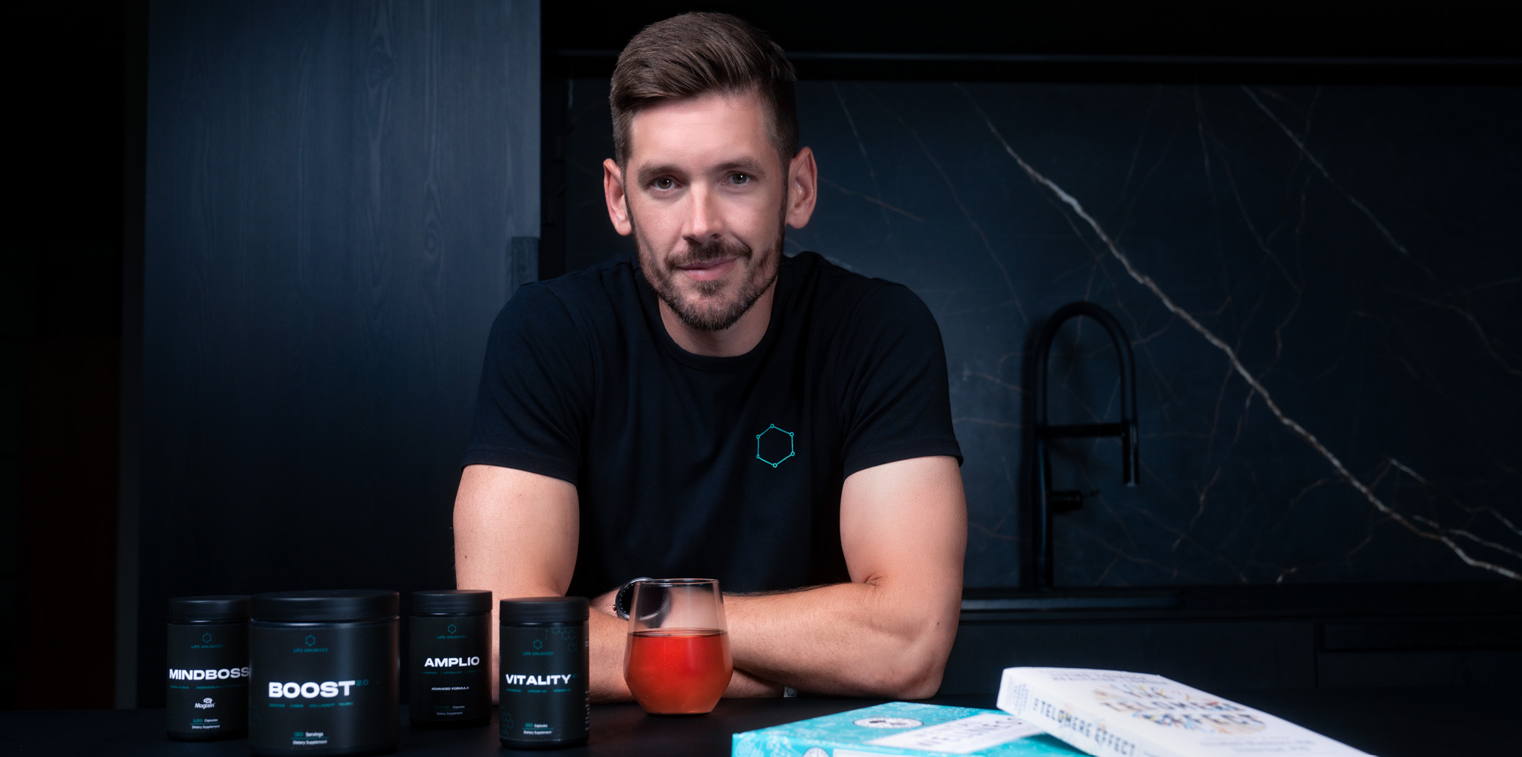
Für einen fokussierten Ausgangspunkt misst der Test für biologisches Alter das Telomer-basierte Altern zu Hause, und BOOST 2.0 unterstützt die Muskel- und Zellwege, die funktionelle Biomarker direkt messen. Evidenzbasierte Selbstfürsorge für Langlebigkeit beginnt mit einem guten Test und einem intelligenten nächsten Schritt.
Häufig gestellte Fragen
Welcher Biomarker ist der beste einzelne Prädiktor für Langlebigkeit?
Epigenetische Uhren wie DunedinPACE sind derzeit die stärksten einzelnen Prädiktoren für das Mortalitätsrisiko. DunedinPACE übertrifft Marker wie Handgriffstärke und IL-6 in großen Konsensusstudien.
Sind Biomarker-Tests zur Langlebigkeit zu Hause genau?
Ja, viele Heim-Kits für funktionelle und molekulare Marker sind hinsichtlich ihrer Genauigkeit validiert. Für eine sinnvolle Interpretation sind Wiederholungstests und die Verfolgung von Trends wichtiger als einzelne Ergebnisse, wobei kommerzielle Kits jetzt blutbasierte, funktionale und epigenetische Kategorien abdecken.
Wie oft sollten Langlebigkeits-Biomarker getestet werden?
Jährliche oder halbjährliche Tests sind für die meisten gesunden Erwachsenen ausreichend. Molekulare Uhren werden noch validiert, daher liefern funktionelle Marker derzeit das zuverlässigste kurzfristige Feedback zur Anpassung Ihres Plans.
Kann eine Änderung meines Lebensstils meine Langlebigkeits-Biomarker beeinflussen?
Absolut. Regelmäßige Bewegung verbessert direkt funktionelle Biomarker wie die Griffstärke und die kardiorespiratorische Fitness. Bewegung verbessert CRF und Muskelmarker auf eine Weise, die sich im Laufe der Zeit summiert und sich in messbaren Zuwächsen der Gesundheitsspanne niederschlägt.
Empfohlen
- Beste Ernährungsgewohnheiten für Langlebigkeit: evidenzbasierte Wege zu einem längeren Leben – LifeUnlocked
- Konkrete Schritte zur Förderung der Langlebigkeit: ganzheitlicher EU-Leitfaden – LifeUnlocked
- Omega-3-Ergänzungsmittel: Evidenz für 5 Jahre längeres Leben – LifeUnlocked
- Optimieren Sie Ihre Vitaminwerte für Langlebigkeit: 40 % haben einen Mangel – LifeUnlocked
- Evidenzbasierte Vitamin-Checkliste für Vitalität und Wohlbefinden – BioEssentials
Aktie:
Lebensstiländerungen für Langlebigkeit: Wissenschaftlich fundierte Schritte
Omega-3 für Senioren: Langlebigkeit, Gesundheit und ganzheitliches Altern