
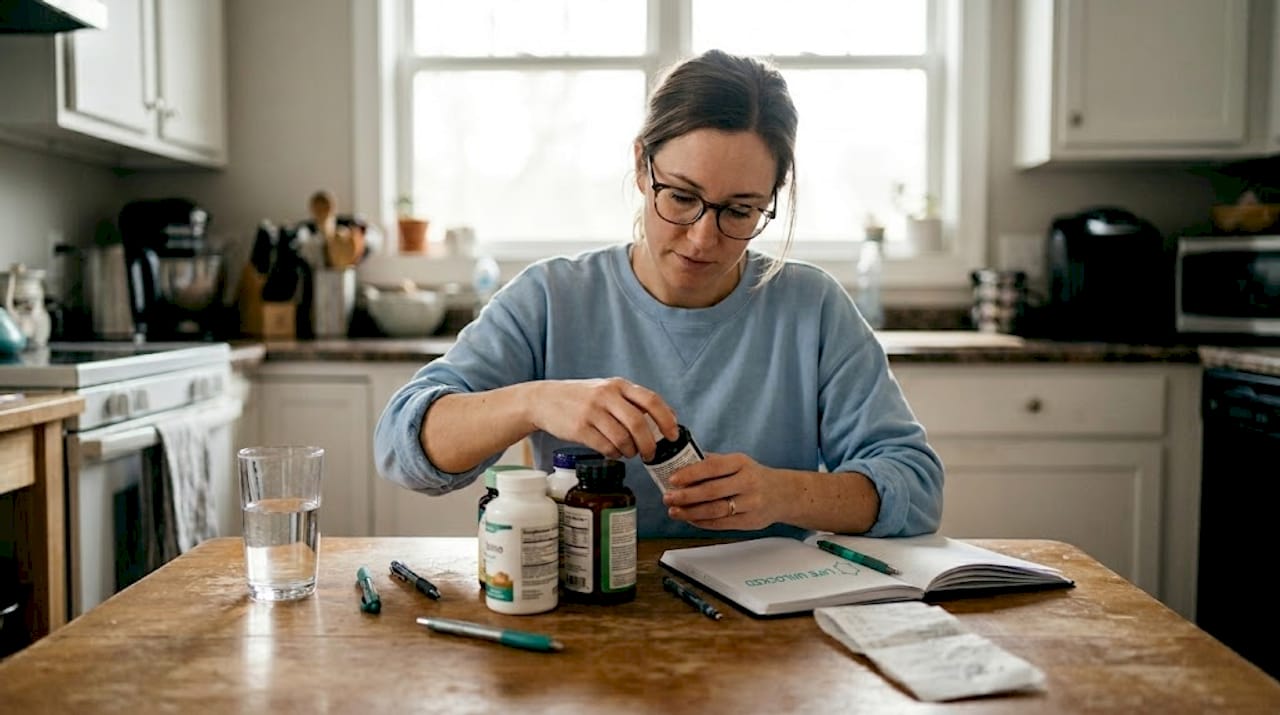
Ulička s doplňky stravy nikdy nebyla přehlednější. S tisíci produkty slibujícími energii, imunitu a dlouhověkost je snadné sáhnout po špatné věci, vzít si příliš mnoho nebo nechtěně smíchat něco nebezpečného. Obyvatelé EU se potýkají se zvláště složitou situací: regulace existují, ale mezery přetrvávají a marketing často předbíhá vědu. Tento průvodce prosekává šum praktickými, odborně podloženými bezpečnostními tipy, abyste mohli doplňovat stravu s důvěrou a dělat rozhodnutí, která skutečně podporují vaše dlouhodobé zdraví.
Klíčové poznatky
| Bod | Podrobnosti |
|---|---|
| Upřednostňujte skutečné jídlo | Celé potraviny jsou vaším nejbezpečnějším zdrojem živin a doplňky stravy by měly vyplňovat pouze specifické mezery. |
| Zkontrolujte kvalitu doplňků | Nakupujte pouze od důvěryhodných, regulovaných zdrojů v EU, abyste snížili rizika kontaminace a podvodů. |
| Dodržujte bezpečné dávkování | Nikdy nepřekračujte doporučenou dávku a vždy dodržujte oficiální horní hranice příjmu. |
| Vyhledejte odbornou pomoc | Před zahájením užívání jakéhokoli doplňku stravy se poraďte se zdravotnickými pracovníky, zejména pokud máte zdravotní potíže. |
Upřednostňujte jídlo a doplňky stravy užívejte s rozmyslem
Představte si celé potraviny jako přirozený jazyk vašeho těla. Živiny z potravy přicházejí ve formách, které vaše tělo rozpoznává, balené s vlákninou, kofaktory a sloučeninami, které působí synergicky. Doplněk je překlad, někdy nezbytný, ale nikdy tak plynulý.
Většina živin pochází z potravy, přičemž vitamin D je výraznou výjimkou, zejména v severní Evropě, kde je vystavení slunci po několik měsíců omezené. To je důležité pro váš rozhodovací rámec: nezačínejte s „jaké doplňky stravy bych měl užívat?“ Začněte s „kde má moje strava nedostatky?“
Mezi běžné nedostatky živin u dospělých v EU patří:
- Vitamin D (zejména v zimních měsících a severních zeměpisných šířkách)
- Hořčík (často vyčerpáván stresem a zpracovanými potravinami)
- Omega-3 mastné kyseliny (nízký příjem ryb je rozšířený)
- Jód (zejména pro ty, kteří se vyhýbají mléčným výrobkům a mořským plodům)
- Železo (zejména u žen v premenopauze)
Kdy má doplněk stravy skutečně smysl? Když je příjem stravy trvale nedostatečný, když je narušena absorpce (jako u stárnutí nebo střevních onemocnění), nebo když specifická životní fáze zvyšuje poptávku. Cílem optimalizace hladin vitaminů není polykat více pilulek. Jde o přesné vyplnění identifikovaných mezer.
„Jídlo je váš první lék. Doplňky stravy jsou záložní plán, ne hlavní aktér.“
Profesionální tip: Před zakoupením jakéhokoli doplňku stravy si po dobu dvou týdnů sledujte svůj jídelníček pomocí záznamu potravin. Možná zjistíte, že váš „nedostatek“ je ve skutečnosti jen vzorec stravování, který můžete napravit v obchodě s potravinami.
Pro širší obrázek o tom, jak výživa formuje dlouhověkost, jsou důkazy jasné: to, co jíte pravidelně, je mnohem důležitější než to, co si občas vezmete.
Zkontrolujte bezpečnost, kvalitu a důvěryhodnost zdroje
Ne všechny doplňky stravy jsou si rovny a obal málokdy vypráví celý příběh. Doplňky stravy v EU jsou regulovány jako potraviny podle směrnice 2002/46/ES, což znamená, že musí splňovat bezpečnostní požadavky pro schválené vitamíny a minerály. Ale tady je háček: na rozdíl od léčiv doplňky stravy nevyžadují předběžné schválení před uvedením na trh. To klade břemeno ověřování kvality na vás.
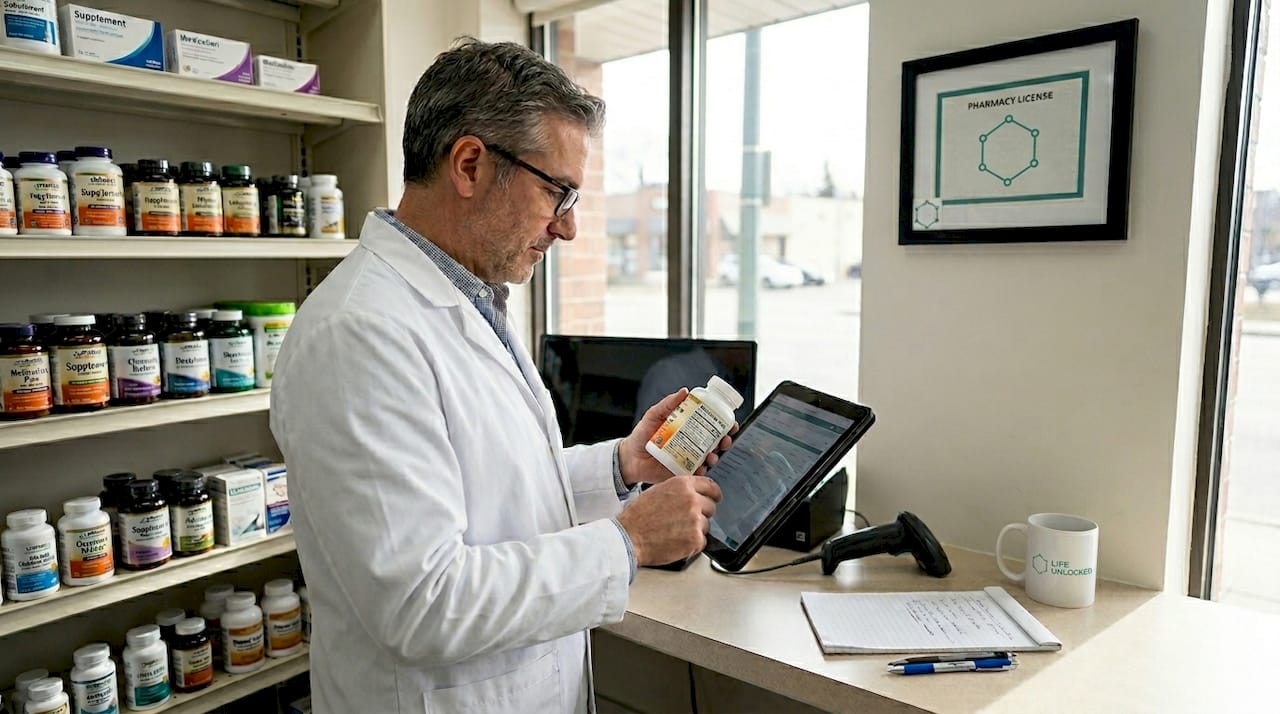
Rizika kontaminace a nepřiznané složky jsou skutečnými obavami, zejména u produktů zakoupených online od neověřených prodejců. Padělané a nekvalitní výrobky obíhají více, než si většina lidí uvědomuje.
Dávejte pozor na tyto varovné signály na etiketách a obalech:
- Neurčité tvrzení typu „posiluje vše“ bez konkrétních informací o živinách
- Chybějící čísla šarží nebo data spotřeby
- Žádná adresa výrobce nebo kontaktní údaje
- Etikety pouze v jednom jazyce (výrobky z EU by měly splňovat pravidla místního jazyka)
- Nereálně nízké ceny ve srovnání s renomovanými značkami
| Důvěryhodné zdroje | Rizikové zdroje |
|---|---|
| Licencované lékárny EU | Neověřené online tržiště |
| Zavedené zdravotní značky s testováním třetích stran | Odkazy influencerů na sociálních sítích |
| Produkty s certifikací GMP | Žádné číslo šarže ani certifikace |
| Jasné složení ingrediencí | Patentované směsi skrývající dávky |
Pohled na kvalitní standard Performance Kit vám může pomoci pochopit, jak vypadá transparentnost a přísnost formulace. Dobrá značka doplňků stravy ukazuje svou práci. Pro strukturovanější vedení vám podrobný průvodce doplňky stravy může pomoci vybudovat bezpečný osobní protokol od základů.
Pochopte bezpečné dávkování a běžná rizika interakcí
Více není lépe. S doplňky stravy je více často nebezpečné. Evropský úřad pro bezpečnost potravin (EFSA) stanovuje Tolerovatelné horní limity příjmu (UL), které představují maximální denní příjem, který pravděpodobně nezpůsobí újmu. Zůstat pod těmito limity není volitelné, je to nezbytné.
Klíčové UL, které je třeba znát:
| Živina | Tolerovatelný horní limit příjmu (UL) |
|---|---|
| Vitamin A | 3 000 µg/den |
| Vitamin D | 100 µg/den |
| Vitamin C | 1 000 mg/den |
| Železo | 40 mg/den |
| Zinek | 25 mg/den |
| Biotin | UL nebyla stanovena |
Jak vypočítat bezpečný příjem:
- Přečtěte si etiketu a zaznamenejte množství na porci v miligramech (mg) nebo mikrogramy (mcg).
- Sečtěte všechny zdroje, včetně potravy, obohacených výrobků a dalších doplňků stravy.
- Porovnejte celkovou hodnotu s UL EFSA pro tuto živinu.
- Pokud již z potravy samotné překračujete 80 % UL, buďte opatrní při dalším doplňování.
Tři nejdůležitější rizika interakce mezi doplňkem stravy a lékem, která je třeba znát:
- Vitamin K a léky na ředění krve (jako warfarin): vitamin K přímo ovlivňuje srážlivost, takže tato kombinace je potenciálně nebezpečná.
- Třezalka tečkovaná a antidepresiva nebo hormonální antikoncepce: tento bylinný doplněk urychluje rozklad léků, čímž snižuje jejich účinnost.
- Vysoké dávky vápníku a léky na srdce nebo léky na štítnou žlázu: načasování a dávkování mohou významně změnit absorpci léků.
Profesionální tip: Použijte bezplatný rámec pro sledování hladin vitaminů k zaznamenání vašeho současného zásobníku doplňků stravy a porovnejte jej s oficiálními UL před přidáním čehokoli nového.
Konzultujte s odborníky a přizpůsobte si plán doplňků stravy
Personalizace je tam, kde bezpečnost doplňků stravy skutečně začíná. Obecné rady platí pro průměrného člověka, ale vaše zdravotní historie, léky, genetika a životní styl z vás dělají všechno, jen ne průměrného. I s pevnými dovednostmi čtení etiket a renomovanými produkty mění pohled odborníka rovnici.
Těhotné, kojící, medikované nebo chronicky nemocné osoby musí před zahájením užívání jakéhokoli doplňku stravy konzultovat poskytovatele zdravotní péče. To není přehnaná opatrnost, je to řízení rizik.
Mezi skupiny se zvýšenými potřebami nebo riziky patří:
- Těhotné osoby (kyselina listová a vitamin D se výslovně doporučují během těhotenství a kojení)
- Dospělí starší 65 let, kteří mnoho živin vstřebávají méně efektivně
- Lidé užívající více léků, kde se riziko interakcí násobí
- Osoby s onemocněními střev, jako je celiakie nebo Crohnova choroba, které ovlivňují vstřebávání
- Vegani a vegetariáni, často s nízkým obsahem B12, zinku a železa
Jak vést produktivní rozhovor o doplňcích stravy s vaším lékařem:
- Přineste kompletní seznam všeho, co aktuálně užíváte, včetně bylinných čajů a proteinových prášků.
- Zeptejte se konkrétně na interakce s vašimi současnými léky.
- Před zahájením užívání jakéhokoli nového doplňku stravy, zejména v tucích rozpustných vitamínů, požádejte o krevní test.
- Po třech měsících sledujte, zda doplněk stravy funguje.
„Nejlepší protokol doplňků stravy je ten, který je navržen pro vaši biologii, nikoli převzatý z wellness rutiny někoho jiného.“
Pochopení vztahu vitaminu D3 a K2 je skvělým příkladem toho, jak odborné poradenství předchází běžným chybám. Mnoho lidí užívá D3 bez K2, což může ovlivnit distribuci vápníku v těle. Pro širší pohled na to, jak přistupovat ke zdravému stárnutí, náš průvodce zdravým stárnutím umisťuje doplňování stravy do správného kontextu.
Náš názor: Pravda o bezpečnosti doplňků, kterou většina přehlíží
Zde je to, co vám oficiální pokyny přímo neřeknou: průmysl doplňků stravy prosperuje na strachu z nedostatku. Většina zdravých dospělých v EU, kteří jedí pestrou stravu, netrpí výrazným nedostatkem většiny živin. Přesto prodej doplňků stravy stále roste, protože „jen pro jistotu“ se zdá bezpečnější než důkazy.
Co experti na dlouhověkost skutečně radí, je přístup „nejprve posoudit, poté řešit“. Nejprve testovat, poté doplňovat. Cílené užívání na základě potvrzených nedostatků trvale překonává plošné doplňování. Riziko nadměrné závislosti není jen finanční. V tucích rozpustné vitamíny se hromadí, interakce se násobí a falešný pocit bezpečí může maskovat skutečnou práci: budování stravy a životního stylu, které stojí za to doplňovat.
Skepticismus, správně aplikovaný, je nejvíce podceňovaným nástrojem pro bezpečnost doplňků stravy, který vlastníte.
Prozkoumejte bezpečná řešení doplňků stravy s LifeUnlocked
Znalosti jsou mocné, ale jejich spojení s kvalitními produkty posune váš wellness plán na vyšší úroveň. V LifeUnlocked je každý doplněk stravy formulován s ohledem na bezpečnostní normy EU, transparentní označení a vaše cíle dlouhověkosti.
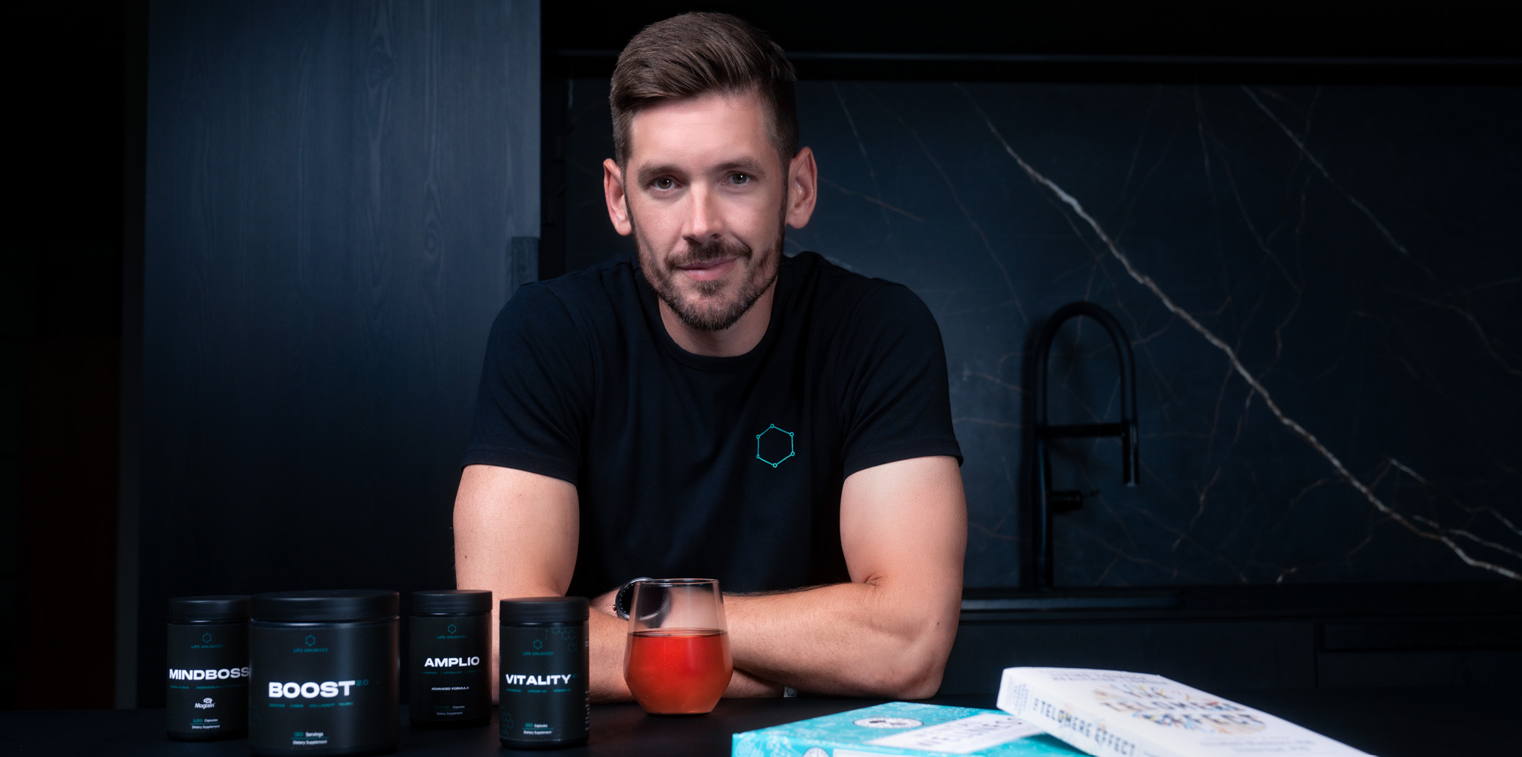
Ať už budujete svůj první balíček doplňků stravy nebo upravujete stávající, můžete si zakoupit bezpečné doplňky stravy navržené tak, aby vyplňovaly skutečné mezery, nikoli imaginární. Pokud hledáte vědecky podloženou denní směs, směs BOOST 2.0 kombinuje klíčové sloučeniny pro energii, regeneraci a zdravé stárnutí v jedné čisté formuli. Začněte chytře.
Často kladené otázky
Jsou doplňky stravy bezpečné, pokud jsou zakoupeny v lékárnách EU?
Doplňky stravy z lékáren EU jsou obecně bezpečnější díky regulačnímu dohledu a schváleným seznamům složek, ale stále byste měli ověřit označení a sladit dávkování s vašimi osobními zdravotními potřebami.
Mohou doplňky stravy interagovat s mými léky?
Ano, mnoho doplňků stravy, včetně bylinných přípravků, může interagovat s léky, někdy snižovat jejich účinnost nebo zvyšovat vedlejší účinky, proto se před jejich kombinací vždy poraďte s lékařem.
Kdo by se měl před užíváním doplňků stravy bezpodmínečně poradit s lékařem?
Těhotné nebo kojící osoby, děti, senioři a kdokoli, kdo pravidelně užívá léky nebo se léčí s chronickým onemocněním, by se měli před zahájením jakéhokoli režimu doplňků stravy poradit s poskytovatelem zdravotní péče.
Jaká jsou rizika užívání příliš mnoha vitamínů?
Překročení denních limitů může způsobit skutečné škody. Vyšší příjem způsobuje nežádoucí účinky u několika vitamínů a minerálů, a proto je kontrola UL EFSA před megadávkováním neodmyslitelná.
Je doplňování vitamínu D vždy nezbytné v EU?
Ne vždy, ale vitamin D je pro obyvatele EU běžnou výjimkou, zejména v zimních měsících nebo u těhotných, kojících a starších osob, kde je expozice slunci nedostatečná.
Doporučeno
- Podrobný průvodce doplňky stravy: dlouhověkost v 5 krocích – LifeUnlocked
- Nejlepší tipy proti stárnutí podložené vědou pro rok 2026 – LifeUnlocked
- Optimalizujte hladinu vitamínů pro dlouhověkost: 40 procent má nedostatek – LifeUnlocked
- Doplňky omega-3: důkazy o 5 letech delšího života – LifeUnlocked
Podíl:
Omega-3 pro seniory: dlouhověkost, zdraví a holistické stárnutí
5 důvodů, proč by Ašvaganda měla být součástí vaší wellness rutiny